Sunday, September 13, 2026
Men’s Cologne Is Defying the Fragrance Slowdown
Agency (communication / marketing / trends / digital/AI)
Fragrance has been one of beauty’s most closely watched categories, fueled by new launches, expanding formats and growing interest from younger consumers. But as the category evolves, performance is becoming uneven across different types of fragrance. Understanding where growth is occurring, and where value is concentrating, requires looking beneath overall category performance.
Weekly sales data can provide a more detailed view of these shifts, revealing how individual fragrance segments are gaining or losing share and where changes in unit sales and pricing are diverging.
Recent data from DAASH Intelligence shows that fragrance overall softened across Sephora, Ulta and Amazon during the 13 weeks ending August 15 compared with the prior 13-week period. Fragrance units declined 8.8%, while average price fell a comparatively modest 2.7%, indicating that the category’s contraction was driven more by declining unit sales than falling prices.
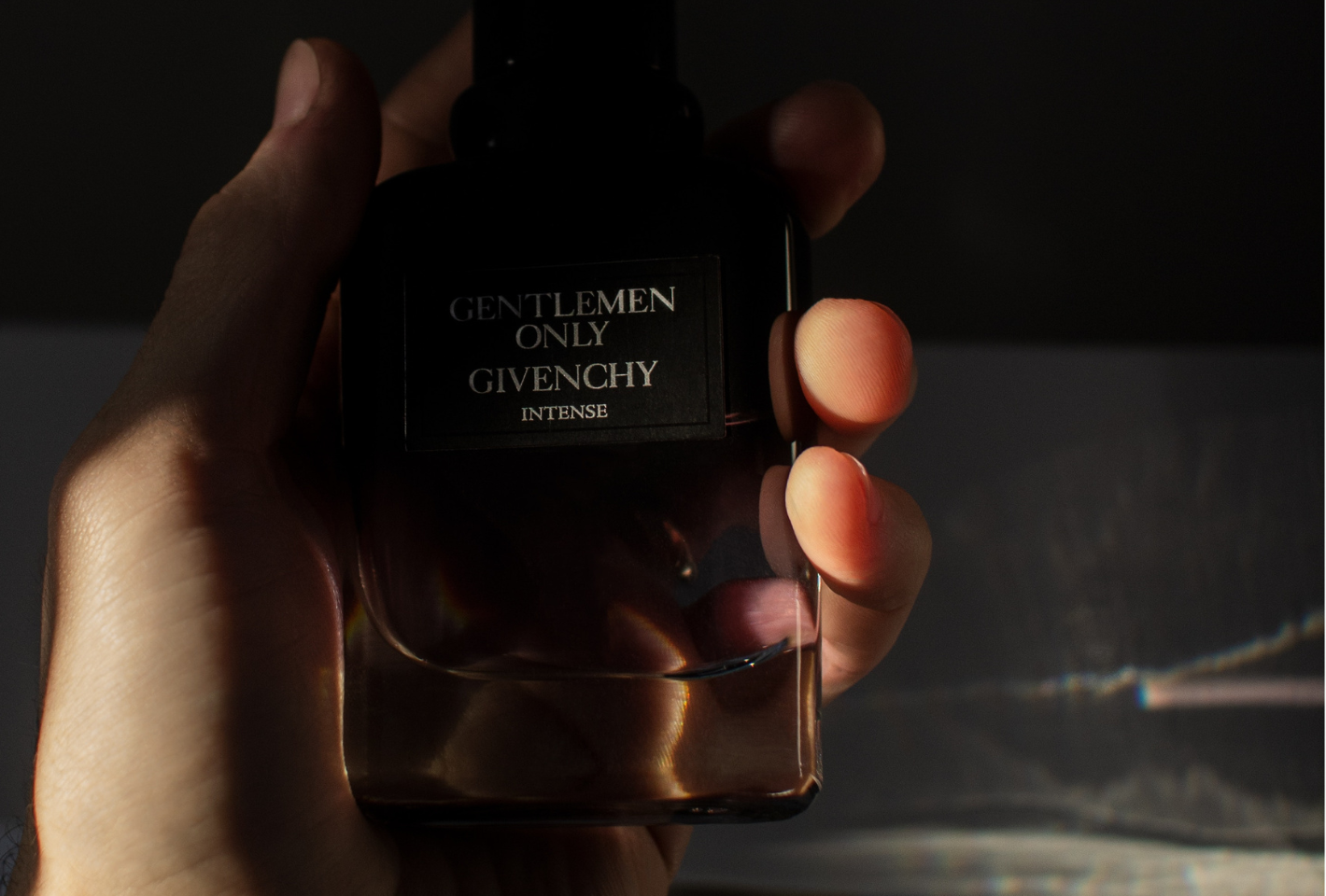
Men’s cologne was the notable exception. Units grew 13.3% during the period and the segment gained 3.6 share points, reaching 18.6% of fragrance units. It was the only fragrance segment representing more than 1% of units to grow during the period.
The strength of men’s cologne extends beyond volume. While the segment represents 18.6% of fragrance units, it accounts for 28.1% of sales, with its sales share increasing 5.3 points during the period. Its average price of $94.69 also sits well above the overall fragrance category average of $73.46.
Other sizable fragrance segments moved in the opposite direction. Women’s colognes and perfumes declined 13.5% in units, while hair and body mists fell 10.9%. Women’s fragrance sets experienced the steepest decline, with units falling 31.6% even as average price increased 3.9%.
Hair and body mists offer another example of why unit volume alone does not provide a complete picture of category performance. The segment accounts for 28.2% of fragrance units but only 11.7% of sales, with an average price of $27.29. During the period, the segment also lost 0.7 share points.
Importantly, no fragrance promotion was captured during the 13-week window, allowing these movements to be viewed without the added influence of discounting activity.
The divergence within fragrance demonstrates why timely category intelligence can be valuable for beauty brands. Looking only at overall fragrance performance would show a category in decline. Looking deeper reveals a very different dynamic: a sizable segment growing double digits, gaining share and accounting for an increasingly significant portion of category sales.
DAASH utilizes a proprietary AI model that turns millions of market signals into weekly, SKU-level sales estimates across key beauty retailers, including Sephora, Ulta and Amazon. By tracking performance weekly, brands can identify changes across products and categories as they emerge and use those insights to inform decisions around product development, pricing, inventory, marketing and retail strategy.
As fragrance continues to evolve, the strongest opportunities may not always be found in the segments selling the greatest number of units. Understanding where growth, share and sales value are moving together can provide a more complete picture of the category — and right now, men’s cologne stands apart.